
10 Signs of an Unhealthy Gut — And What to Do About It


Digestive Health
By Medorna Wellness Desk • July 13, 2026 • 6 min read
Your gut rarely sends a loud warning. Instead, it whispers — a little bloating after dinner, skin that will not clear up, an energy dip no amount of coffee seems to fix. On their own, these feel unrelated. Together, they are often among the clearest signs of an unhealthy gut.
Your digestive system does far more than process meals. It works closely with your immune defences, your mood, and your energy levels, which is why even a mild imbalance can ripple outward in ways that are easy to blame on stress or simply “getting older.” Some of these gut imbalance symptoms show up quietly for months before anyone connects the dots back to digestion at all, which is exactly why it helps to know what to look for.
Learning to recognise these early warning signs — and understanding what a genuine, sustainable unhealthy gut treatment plan actually looks like — is the first real step toward feeling like yourself again. It is rarely about a single dramatic fix. More often, it is a handful of small, everyday choices that quietly add up over a few consistent weeks, restoring balance one habit at a time.
10 Signs of an Unhealthy Gut You Shouldn’t Ignore
1. Irregular bowel movements. Constipation, straining, or fewer than three bowel movements a week usually points to sluggish gut motility, often from low fibre or fluid intake.
2. Frequent bloating or gas. Feeling uncomfortably full after ordinary meals can signal an imbalance between helpful and less helpful gut bacteria.
3. Diarrhoea or loose stools. Occasional loose stools are normal, but a pattern lasting weeks may reflect inflammation, poor absorption, or insufficient fibre.
4. Persistent fatigue. Since much of nutrient absorption happens in the gut, poor digestion can leave you tired even after a full night’s sleep.
5. Unexplained skin flare-ups. Acne, dull patches, or rosacea-like flare-ups are increasingly linked to shifts in gut bacteria and gut-driven inflammation.
6. New food sensitivities. Sudden reactions to dairy, gluten, or spicy food can appear when the gut lining or bacterial balance is disrupted.
7. Frequent colds or infections. A large share of your immune defences originate in the gut, so catching every bug going around can be an overlooked sign of imbalance.
8. Persistent bad breath. Ongoing bad breath despite good oral hygiene is sometimes traced back to digestive slowdown rather than the mouth itself.
9. Sugar cravings and mood swings. Certain gut bacteria influence appetite signals, so intense sugar cravings and irritability can have a digestive root, not just a willpower one.
10. Trouble sleeping through the night. The gut and brain communicate constantly, so disrupted digestion is commonly associated with restless or broken sleep.
“Registered dietitians often describe the gut as a communication hub — when it goes quiet, so does the rest of the body. Restoring balance rarely happens overnight, but small, consistent daily habits are usually where lasting change begins.”
Unhealthy Gut Treatment: What Actually Helps
Real unhealthy gut treatment is rarely one single fix — it is a handful of habits working together, applied steadily rather than perfectly, week after week.
Fibre first. Most adults fall short of the recommended 25–35 grams of fibre a day. Vegetables, oats, and whole grains feed beneficial bacteria and help regulate motility, easing both constipation and looseness.
Hydration. Water keeps stool soft and helps everything move through the gut comfortably — a simple but frequently overlooked piece of the puzzle.
Targeted probiotic and prebiotic support. Clinically studied strains such as Lactobacillus rhamnosus GG, delivered at meaningful potencies of around 20 billion CFU, are among the most researched for supporting occasional bloating, gas, and irregularity. Multi-strain acidophilus blends and prebiotic fibres like inulin work alongside good bacteria, giving them the fuel they need to thrive.
Slow down and sleep more. Eating mindfully aids enzyme release and reduces bloating, while seven to nine hours of sleep gives your gut lining time to repair overnight.
None of this needs to happen overnight. Gut bacteria respond to repeated signals, not one perfect day — which is exactly why gradual, unglamorous consistency tends to outperform any single “quick fix” when it comes to genuine, lasting unhealthy gut treatment.
Choosing a Format You’ll Actually Stick With
Probiotics come in a few common forms, and the “best” one is really whichever you will take consistently. Gummies are easy and pleasant but sometimes carry a lower CFU count and a touch of added sugar. Capsules tend to offer higher potency and better protection for the live cultures inside, though they do require swallowing. Tablets are shelf-stable, budget-friendly, and widely available with well-studied strains like acidophilus, but they can take a little longer to dissolve and are best taken with food. None of these formats works if it sits unused in a cupboard — consistency matters more than the packaging, and the right choice is simply the one that fits naturally into your morning or evening routine.
A Simple Daily Gut-Care Routine
Morning: A glass of water first thing, followed by a fibre-rich breakfast and your daily probiotic.
Afternoon: A plant-forward lunch with vegetables, legumes, or whole grains, eaten slowly and without screens.
Evening: A lighter dinner a few hours before bed, followed by seven to nine hours of consistent sleep.
Track how you feel over two to three weeks rather than two to three days. Gut-related changes tend to show up gradually, and a short daily note on energy, digestion, and skin can make the pattern much easier to spot.
Frequently Asked Questions
What are the earliest signs of an unhealthy gut?
They are usually mild and easy to overlook — occasional bloating, irregular bowel movements, low energy, or skin that looks slightly duller than usual. Catching them early makes unhealthy gut treatment far more effective.
Can stress alone cause an unhealthy gut?
Stress rarely acts alone, but it is closely linked to gut function. Ongoing stress can slow digestion and alter gut bacteria, worsening bloating and irregularity.
How long does unhealthy gut treatment take to show results?
Most people notice small improvements within two to four weeks of consistent dietary changes, hydration, and probiotic support, though full balance can take longer.
Are probiotic gummies as effective as capsules?
Both can help. Capsules often carry higher CFU counts and better strain protection, while gummies suit people who prefer not to swallow pills.
When should I see a doctor about gut symptoms?
See a doctor if symptoms persist for more than two to three weeks, or if they are severe, sudden, or come with unexplained weight loss.
Final Thoughts
A tired gut has a way of making everything else feel a little harder — your energy, your skin, even your mood. The good news is that most gut imbalances respond well to patient, consistent care: more fibre, more water, better sleep, and the right probiotic support at the right potency.
You do not need to overhaul your life overnight. Start with one habit this week, stay consistent through the second and third, and give your gut the time it genuinely needs to find its rhythm again. That patience is, in the end, the most reliable unhealthy gut treatment there is.
Shop This Article



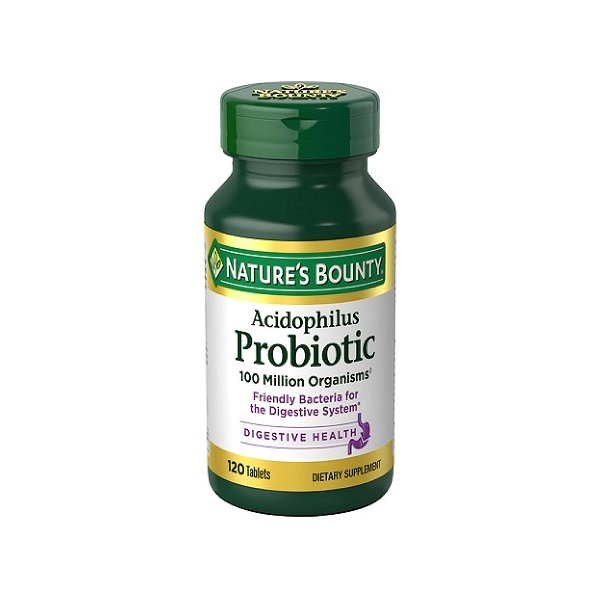
All Gut Health Supplements
Shop Supplements & Nutrition
Visit Medorna.in
References
- Cleveland Clinic. "What You Should Know About Your Gut Health." health.clevelandclinic.org
- Cleveland Clinic. "4 Things You Can Do To Improve Gut Health." health.clevelandclinic.org
- Harvard Health Publishing. "Feed Your Gut." health.harvard.edu
- Harvard Health Publishing. "Prebiotics: Understanding Their Role in Gut Health." health.harvard.edu
- Harvard T.H. Chan School of Public Health, The Nutrition Source. "Probiotics for Gut Health." nutritionsource.hsph.harvard.edu
These statements have not been evaluated by any regulatory authority. These products are not intended to diagnose, treat, cure, or prevent any disease.