
Best Daily Vitamins & Supplements for Men Over 30 — India Guide


By Medorna Editorial · June 2026 · 9 min read · Reviewed by Medorna Nutrition Team
Somewhere in your 30s, the body stops being so forgiving. Energy dips. Recovery slows. The diet you got away with at 25 starts showing up differently — on your face, in your bloodwork, and in how you feel by Thursday afternoon. None of this is dramatic. It’s biology catching up, gradually and quietly.
The physiological shifts that begin after 30 are real and well documented. Testosterone declines at roughly 1% per year. Gut microbiome diversity decreases. Bone density starts its slow descent. Cardiovascular risk factors begin accumulating in the background. None of these is cause for alarm — but they are reasons to pay closer attention to what you’re actually putting in your body every day.
This guide covers the supplement categories that matter most for men in this life stage — not as a shortcut to health, but as a thoughtful foundation that works alongside good food, reasonable sleep, and consistent movement. We’ll cover what to look for in each category, why it matters biologically, and which products meet the standard.
Shop best supplements for men at Medorna
Why Supplements Matter More After 30
Health & Biology

It’s a common misconception that supplements are for people who eat badly. In reality, even men with genuinely good diets face nutritional gaps — because modern food production, cooking, and urban lifestyles consistently deplete specific micronutrients that the body needs in greater quantities as it ages.
Vitamin D is a clear example. India has abundant sunshine, yet deficiency is widespread — because most working men spend the majority of their daylight hours indoors. The skin produces Vitamin D through UV-B exposure, which doesn’t happen through glass. Office work, commuting, and urban living all compound the problem. Deficiency in D3 affects bone density, testosterone production, immune function, and mood regulation — four things that already face headwinds after 30.
Similarly, B12 absorption decreases with age due to changes in stomach acid production. Zinc is lost through sweat, making deficiency more common in physically active men. Gut microbiome diversity declines naturally from the early 30s onward. These aren’t problems that a clean diet alone fully corrects — they require targeted, consistent supplementation to address properly.
The supplements covered in this guide address these gaps directly. They are not exotic or experimental — they are among the most studied nutrients in clinical nutrition, available from brands with decades of research behind them.
“After 30, the question isn’t whether you need nutritional support — it’s whether you’re getting enough of the right things from the right sources.”
The Core Supplement Categories for Men Over 30
Core Supplement Stack
You don’t need an elaborate supplement routine. You need the right categories covered consistently. Here’s an overview before we go deeper into each one.
| Category | Primary Benefit After 30 | Key Nutrients |
|---|---|---|
| Multivitamin | Fills daily nutritional gaps across all systems | D3, B12, Zinc, Selenium, B-complex |
| Probiotic | Gut health, immunity, digestion, mood | Lactobacillus, Bifidobacterium, CFU count |
| Vitamin C | Immunity, collagen, antioxidant protection | Ascorbic acid, bioflavonoids, whole-food C |
| Protein | Muscle retention, metabolism, recovery | Complete amino acids, BCAAs, whey or plant |
1. The Daily Multivitamin — Your Non-Negotiable Foundation
Top Picks · Imported · Original

A daily multivitamin is the most practical starting point for any man over 30. Not because it replaces a good diet — it doesn’t — but because it closes the nutritional gaps that even a careful, consistent diet leaves open. The question is never whether to take a multivitamin. It’s which one actually fits where you are in life.
For men in their 30s and early 40s, the priorities are clear: a robust B-complex for energy and cognitive function, adequate Vitamin D3 for bone density and testosterone, zinc and selenium for immune and hormonal health, and antioxidants like Vitamins C and E to buffer the oxidative stress that accumulates with age, exercise, and urban pollution.
For men over 50, the formulation calculus shifts. B12 absorption declines with age and needs to be more bioavailable. Iron becomes less important — and in fact supplemental iron is actively discouraged for most older men. Vitamin D requirements increase. A good multivitamin for men over 50 accounts for all of this without requiring the user to become a nutrition expert to figure it out.
Format matters too. Tablets deliver the highest nutrient density and best value per dose, but they require the daily discipline of swallowing a pill. Gummy vitamins solve the compliance problem elegantly — they’re genuinely enjoyable to take, which means they actually get taken. The tradeoff is slightly lower potency per serving, which is often worth it when the alternative is a supplement that sits in the cabinet half-used.
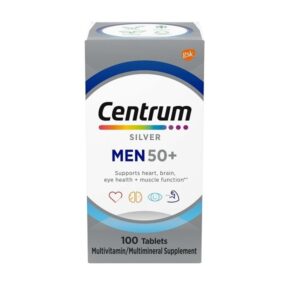
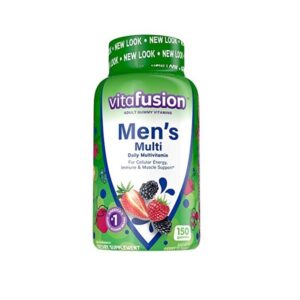
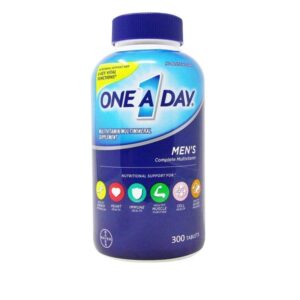
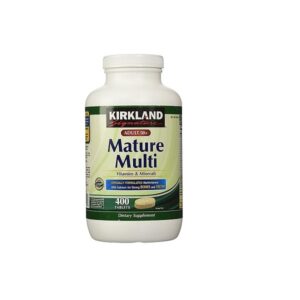
Browse all men’s multivitamins — original imported brands at Medorna
2. Gut Health — The Foundation Most Men Overlook
Gut Health · Immunity · Digestion

The gut is far more than a digestive organ. Approximately 70% of the body’s immune system is housed in gut-associated lymphoid tissue. The gut-brain axis — a direct biochemical communication channel between gut bacteria and the brain — influences mood, cognitive clarity, stress response, and even sleep quality. When gut health declines, the downstream effects are wide and often misattributed to other causes.
After 30, microbiome diversity naturally decreases. This process accelerates under stress, with irregular or highly processed eating patterns, following antibiotic use, or with a lack of dietary fibre. The result is a less resilient gut ecosystem — one that’s slower to respond to illness, less efficient at absorbing nutrients, and more prone to inflammation.
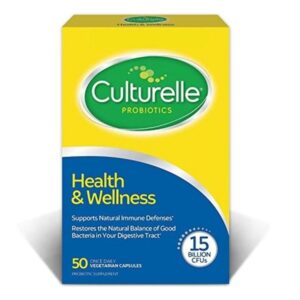
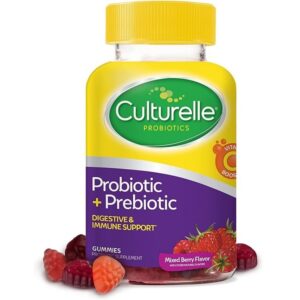
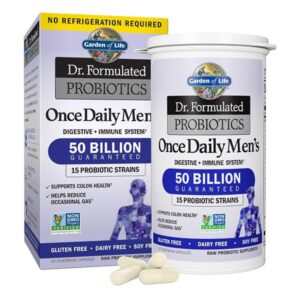
A daily probiotic is the most direct intervention. The key variables to evaluate are the specific bacterial strain, whether potency is guaranteed through the expiry date (not just at manufacturing, which is industry standard but meaningless), and whether the formula survives stomach acid to reach the gut intact where it actually functions.
For most men, a capsule-based probiotic using one of the deeply researched strains is the baseline recommendation. For those who train regularly or are recovering from illness or antibiotic treatment, a higher CFU, multi-strain formula with a prebiotic component offers broader and faster support. Gummy formats are also available for men who prefer them — the compliance benefit is real, and a probiotic taken daily in gummy form outperforms a capsule that sits in the drawer.
Recommended Options
3. Vitamin C — Underestimated, Underconsumed, Underperforming
Immunity · Antioxidant · Recovery

Most men associate Vitamin C with immunity during cold and flu season — and stop there. That significantly underestimates its role. Vitamin C is the primary driver of collagen synthesis in the body, which means it directly determines the health of joints, tendons, skin, blood vessel walls, and every connective tissue structure that keeps a physically active body functional over time.
It is also a potent water-soluble antioxidant, neutralising free radicals generated by exercise, stress, alcohol, urban pollution, and normal metabolic processes. The body does not store Vitamin C — whatever isn’t used is excreted within hours. This means daily, consistent intake is the only way to maintain adequate tissue levels. A single high dose once a week is biologically meaningless.
For men living in Indian cities — dealing with significant air pollution and high occupational stress — the daily Vitamin C requirement is meaningfully higher than standard recommendations. The RDA of 90mg reflects minimum sufficiency, not optimal function. Nutritional researchers increasingly suggest 500–1000mg daily for men navigating these conditions.
The sourcing of Vitamin C matters more than most supplement labels suggest. Whole-food sourced Vitamin C — derived from fruits like amla, guava, acerola cherry, or tart cherry — carries naturally occurring bioflavonoids that significantly enhance bioavailability. The body absorbs and utilises food-matrix Vitamin C more completely and more gently than isolated synthetic ascorbic acid. For daily use over months and years, that difference compounds meaningfully.
Recommended Option

4. Protein — The Supplement That Does More Than Build Muscle
Muscle Health · Performance · Nutrition

Protein supplements are widely associated with gym culture and muscle building, which leads many men over 30 — particularly those who don’t train intensively — to dismiss them as unnecessary. This is a mistake. Adequate daily protein intake is the most evidence-backed nutritional intervention for maintaining metabolic health, body composition, and physical function as men age.
Sarcopenia — the gradual loss of muscle mass — begins in the early 30s and accelerates in the 40s and 50s without deliberate resistance training and sufficient dietary protein. Muscle is metabolically active tissue: more of it means a faster resting metabolism, better insulin sensitivity, stronger joints and bones, and greater physical resilience. Losing it quietly over a decade is what makes the body feel “older” in ways that are hard to attribute to any single cause.
Current research suggests men over 30 need approximately 1.6–2.0g of protein per kilogram of bodyweight daily to maintain muscle mass — significantly higher than general dietary guidelines reflect. For a 75kg man, that’s 120–150g of protein every day from food alone. This is achievable but requires deliberate effort. A clean protein supplement, used on training days or when dietary intake falls short, bridges the gap without requiring a complete dietary overhaul.
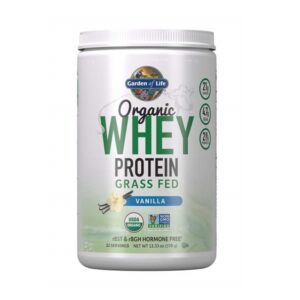
What to look for: a complete amino acid profile including all essential branched-chain amino acids, minimal processing, and no artificial sweeteners, colours, or unnecessary additives. Organic, grass-fed whey is the gold standard for bioavailability and clean sourcing. Plant-based alternatives have improved significantly and are a valid choice for men who prefer them or have dairy sensitivities — but check for a complete amino acid profile, as many single-source plant proteins are deficient in one or more essential amino acids.
Recommended Option
Tablets, Capsules, or Gummies — Which Format Works Best?
Format Guide
The format of a supplement affects compliance more than any other variable. The most clinically superior product in tablet form, taken inconsistently, delivers less benefit than a good product in gummy form taken every single day. This is not a trivial consideration — it is arguably the most important practical decision in building a supplement routine.
| Format | Best For | Key Consideration |
|---|---|---|
| Tablets | Men who want maximum potency and best value per dose | Highest nutrient density; take with food for absorption |
| Gummies | Men who need a compliance-friendly option they’ll actually take | Best for consistency; slightly lower potency than tablets |
| Capsules | Men prioritising gut health — ideal probiotic delivery format | Fast disintegration; best for live bacterial cultures |
| Powder | Active men supplementing protein daily | Versatile; mixes into shakes, smoothies, or food |
Building a Daily Routine That Actually Sticks
Daily Routine Guide
The most common supplement mistake men make isn’t choosing the wrong product — it’s choosing the right product and taking it inconsistently. Supplements work through sustained daily use over weeks and months. A routine that you follow 90% of the time delivers dramatically better results than a perfect protocol followed 60% of the time.
The simplest strategy is to anchor supplementation to an existing daily habit. Taking a multivitamin with breakfast, a probiotic alongside your morning coffee, and a protein shake after exercise turns supplementation into something automatic rather than deliberate. Keep the routine simple enough to execute on your worst days — those are the ones that matter most for long-term consistency.
| Time | Supplement | Why This Timing |
|---|---|---|
| With Breakfast | Multivitamin + Vitamin C | Fat-soluble vitamins (A, D, E, K) absorb significantly better with dietary fat from a meal |
| Morning | Probiotic | Consistent daily timing builds and maintains microbiome balance over time |
| Post-Workout | Protein shake | Muscle protein synthesis peaks in the 30–60 minute window following exercise |
| All Day | Balanced meals + hydration + sleep | Supplements support — they never replace — the lifestyle foundations they’re built on |
A Note on Sourcing — Why Authenticity Matters
Imported supplement brands have a specific problem in India: the same names appear on authentic products and on counterfeits, expired stock, and grey-market imports with compromised cold chains. On large marketplaces, the listing often looks identical to the real product. The difference is in what’s actually in the bottle.
This matters more with supplements than almost any other product category, because the entire value of a supplement depends on it containing what it claims in the quantities stated. A probiotic with dead cultures, a vitamin with degraded potency, or a protein powder with undisclosed additives isn’t just ineffective — it’s money spent on nothing, or worse.
✅
🌏
📦
🔬
“The best supplement routine isn’t the most complex one. It’s the one simple enough to actually do every day, with products genuine enough to do what they claim.”
None of this requires a dramatic lifestyle overhaul. A multivitamin with breakfast. A probiotic in the morning. Vitamin C alongside. Protein when training or when diet falls short. That’s a genuinely effective daily foundation for most men over 30 — and it’s one you can build and maintain without it becoming another thing to manage.
All products linked in this guide are available at Medorna.in as original, authenticated imports — the same formulations trusted globally, sourced and delivered properly in India.
Browse all original imported supplements at Medorna