
The Family Wellness Shift: How Health and Wellness Is Becoming a Household Habit, Not Just a Personal One


July 17, 2026 • 7 min read
Table of Contents
- Why Health and Wellness Is Turning Into a Family Project
- The Gut Health Conversation Now Includes the Whole Household
- Rethinking Protein as a Family, Not Just as an Athlete
- Where Collagen Fits Into a Family’s Long-Term Health Picture
- The Gut-Mood Connection Parents Are Paying Attention To
- Bringing Kids Into the Family Health Routine, Age-Appropriately
- Final Thoughts
Why Health and Wellness Is Turning Into a Family Project
For a long time, health and wellness was framed as an individual pursuit — your workout, your supplements, your goals. That framing is shifting. More households are approaching nutrition, gut health, and daily routines as something the whole family works on together, rather than something each person figures out alone. Part of this comes from research showing that early-life habits, shared meals, and household routines shape long-term health outcomes for children as much as for adults.
This shift shows up in small, practical ways: parents reading ingredient labels for the whole family, choosing protein sources that work for both kids and adults, and treating gut health as a household topic rather than a personal biohack. It’s less about strict rules and more about building habits that everyone in the home can realistically stick to.
The Gut Health Conversation Now Includes the Whole Household
Gut microbiome research has moved well beyond a niche interest. According to the National Institutes of Health’s Office of Dietary Supplements, probiotics are live microorganisms that may support digestion and help protect the gut from harmful organisms when consumed in sufficient amounts, though not every product labeled “probiotic” has been studied for the same benefits, and effects can vary by strain. This is why more households are starting to look at gut-supporting habits as a shared practice rather than an individual fix — one parent might reach for a daily formula, while the same family looks for age-appropriate options for younger members.
Because probiotic strains and dosages vary so widely between products, it helps to understand what’s actually in a bottle before adding it to a routine. Reading labels for CFU counts and specific strains — rather than just the word “probiotic” — is one of the more practical health and wellness habits a family can adopt together.
Rethinking Protein as a Family, Not Just as an Athlete
Protein has traditionally been marketed to gym-goers, but the conversation is broadening. Harvard Health notes that protein needs vary by age, body size, activity level, and life stage, and that most healthy diets already provide adequate protein when meals include a mix of sources across the day. Rather than one household member drinking a shake while everyone else eats separately, more families are looking for protein formats that fit into shared meals — smoothies after a weekend hike, a shake after a workout, or a scoop blended into breakfast.
This is also where dietary preference within one household becomes relevant. Someone following a dairy-based diet might prefer a grass-fed whey protein isolate, while another family member eating plant-based might reach for an organic plant-based protein in chocolate — both fitting into the same family routine without anyone needing a separate diet plan. Research reviewed by Harvard’s T.H. Chan School of Public Health has also associated a higher ratio of plant-to-animal protein with better long-term cardiovascular outcomes, which is one reason plant-based options are increasingly treated as equally credible, not just an alternative.
Where Collagen Fits Into a Family’s Long-Term Health Picture
Collagen supplements have gained enormous attention on social media, and Harvard Health has weighed in with a measured take: some randomized controlled trials suggest hydrolyzed collagen peptides can support skin elasticity, hydration, and joint comfort, though researchers note that larger, longer-term studies are still needed to confirm how well these benefits hold up across different products and populations. For adults thinking about long-term joint and skin health — often the parents in a household who are also managing recovery from workouts, long work hours, or simply aging — this is where collagen tends to enter the picture.
Many households now treat a grass-fed collagen peptides powder the same way they’d treat a daily vitamin — stirred into morning coffee or a smoothie, without turning it into a separate ritual. It’s a small addition rather than a lifestyle overhaul, which is part of why it fits naturally into a broader family health and wellness routine.
“Collagen powders and pills are certainly trendy, and they do offer some potential benefits. But it’s wise to be skeptical.”
— Harvard Health Publishing
The Gut-Mood Connection Parents Are Paying Attention To
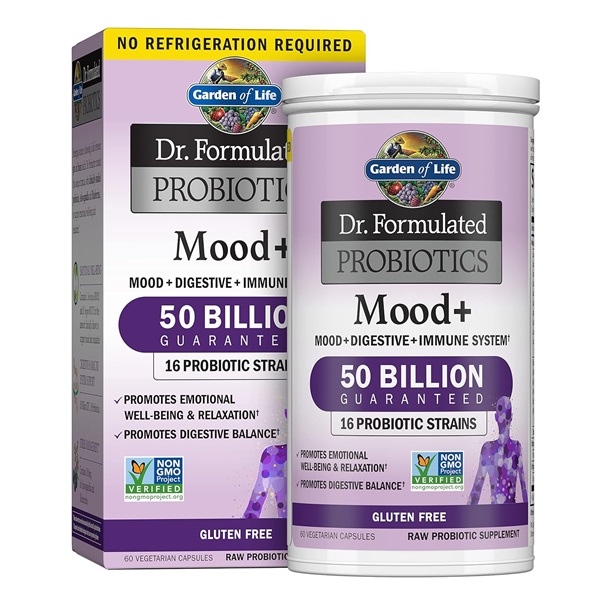
One of the more interesting shifts in family health conversations is the growing interest in the gut-brain connection — the idea that digestive health and mood may be more closely linked than previously assumed. This is an active area of ongoing research, and while the science is still developing, it has led some parents managing high-stress schedules to look at gut-support formulas designed with mood in mind, such as a Dr. Formulated Probiotics Mood+ formula, as one part of a broader stress-management routine that also includes sleep, movement, and downtime.
It’s worth being realistic here: no supplement replaces sleep, therapy, or medical care when mood or mental health needs real support. But as a supporting habit within a normal daily routine, gut-focused formulas are becoming a more common conversation at the family dinner table, not just in individual wellness circles.
Bringing Kids Into the Family Health Routine, Age-Appropriately
Family health isn’t only about what parents take — it’s increasingly about how children are introduced to healthy habits early, in ways that are age-appropriate and enjoyable rather than clinical. Since children’s nutritional and digestive needs differ from adults’, many parents look specifically for formulas designed and dosed for younger age groups rather than simply giving kids a smaller adult dose.
This is where something like chewable kids’ probiotics tend to come up in conversation — an easy way to fold gut-health habits into a child’s routine without turning it into a battle. The goal isn’t to replicate an adult wellness routine for a child, but to build small, age-appropriate habits that a family can genuinely sustain together over time.
Final Thoughts
The shift toward family health and wellness isn’t about everyone in the house following an identical routine. It’s about treating health as something shared — a gut-health habit here, a protein choice there, a small daily addition that fits into real life rather than disrupting it. Family health, at its core, is less about a single product and more about consistent, realistic choices that different members of a household can each adapt to their own needs.
Shop This Article
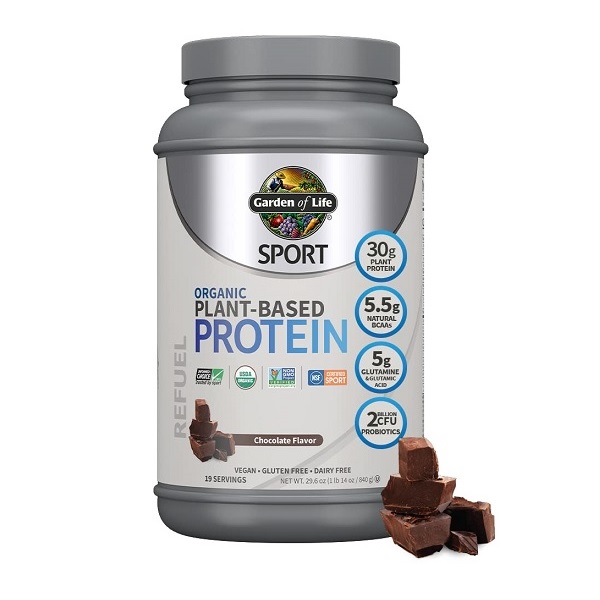
GOL Sport Plant Based Protein, Chocolate, 840g
30g organic plant protein with BCAAs for recovery.
Shop Now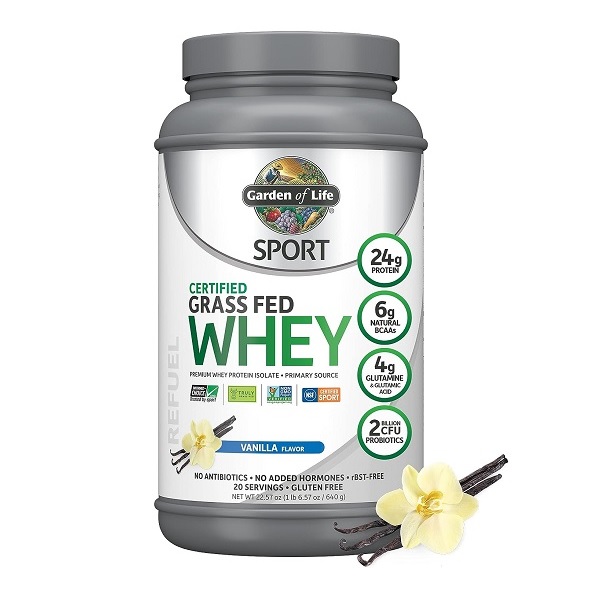
GOL Grass Fed Whey Protein Isolate, Vanilla, 652g
24g Irish grass-fed whey isolate with BCAAs.
Shop Now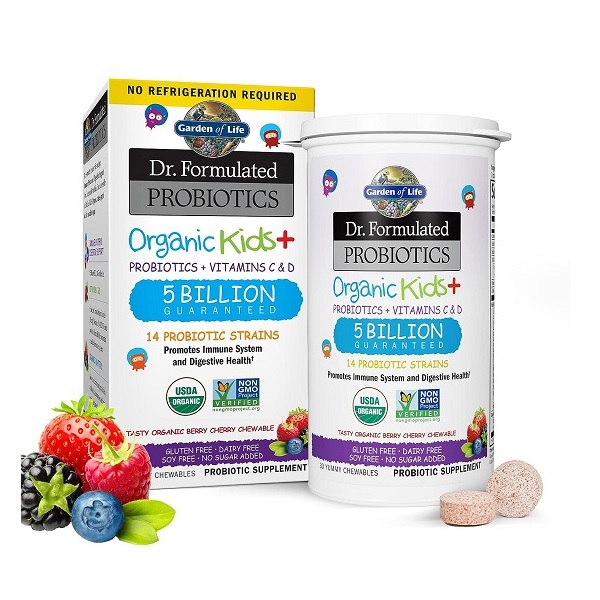
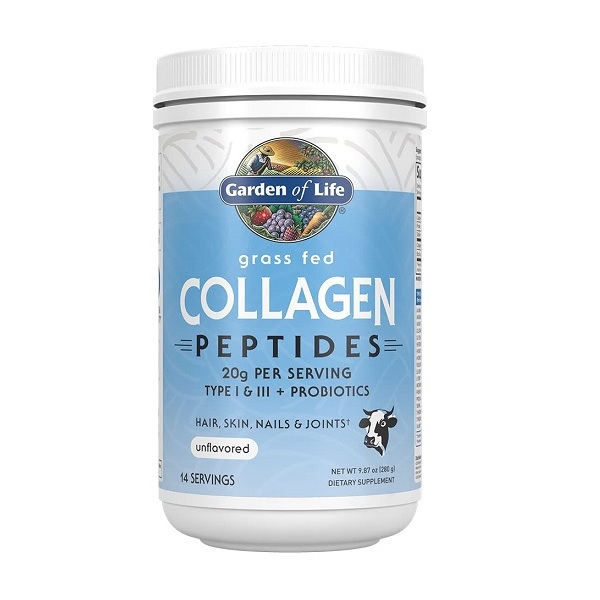
GOL Grass Fed Collagen Peptides, 280g
Hydrolyzed collagen with probiotics for skin & joints.
Shop Now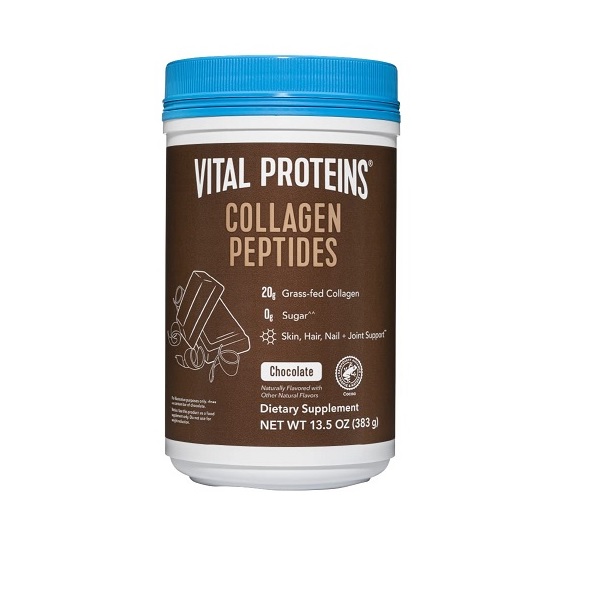
Vital Proteins Chocolate Collagen, 383g
Collagen peptides for skin, hair & nails, cocoa flavor.
Shop Now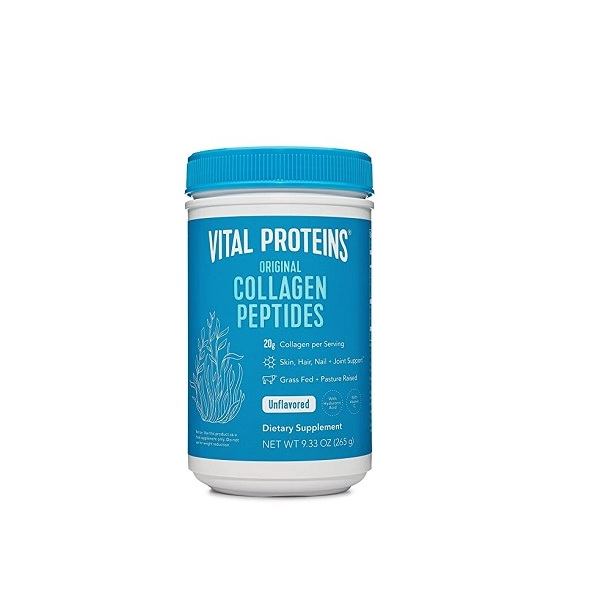
Vital Proteins Collagen Peptides, Unflavored, 284g
20g grass-fed collagen with hyaluronic acid & Vitamin C.
Shop Now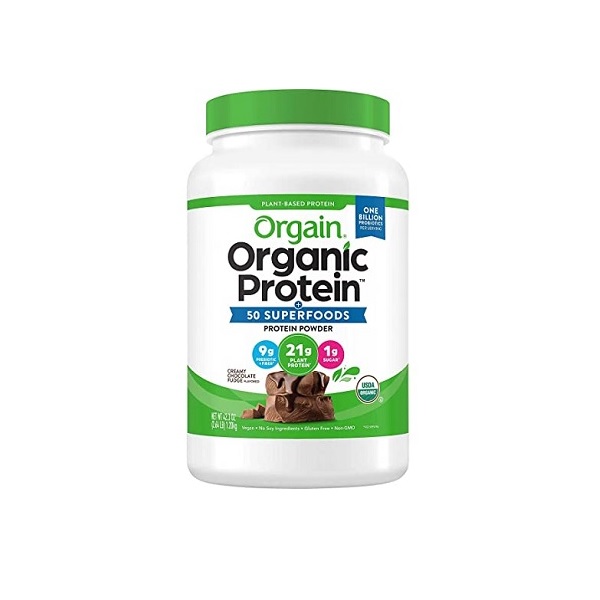
Orgain Plant Based Protein Powder, 2.74lb
Creamy chocolate fudge vegan protein, clean fuel.
Shop Now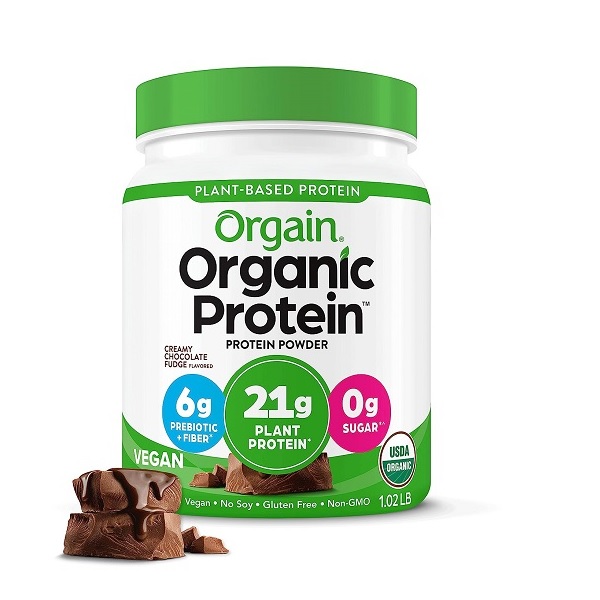
Orgain Organic Protein Powder, Chocolate Fudge
21g protein, 6g fiber, 0g sugar. Vegan & USDA Organic.
Shop Now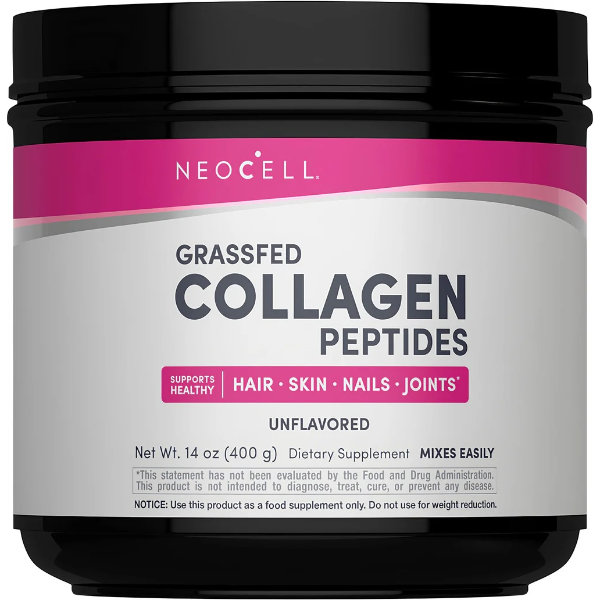
NeoCell Collagen Peptides Powder, 400g
10g hydrolyzed Type 1 & 3 collagen for skin & joints.
Shop Now
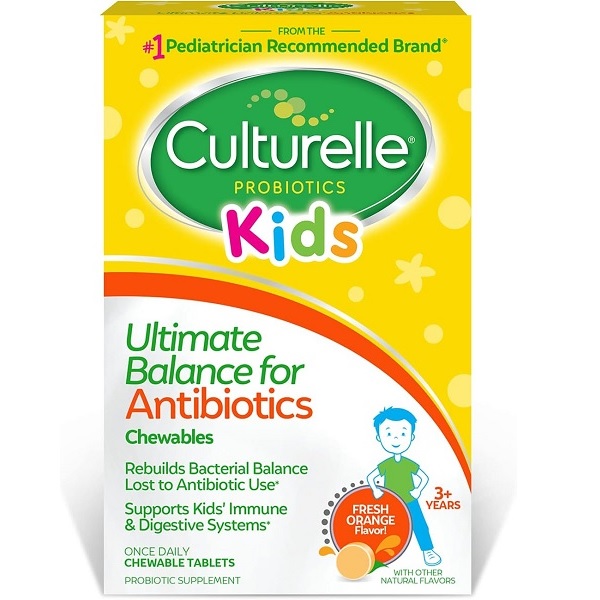
Culturelle Kids Antibiotic Probiotic, 20ct
Orange chewables with LGG to restore gut health.
Shop NowReferences
- National Institutes of Health, Office of Dietary Supplements. “Probiotics – Fact Sheet for Consumers.” ods.od.nih.gov
- Harvard Health Publishing. “Protein 101: Essential guide to daily requirements and top healthy sources.” health.harvard.edu
- Harvard Health Publishing. “Practical pointers about protein.” health.harvard.edu
- Harvard Health Publishing. “Do collagen supplements fulfill their promises?” health.harvard.edu
- Harvard Health Publishing. “Considering collagen drinks and supplements?” health.harvard.edu
This article is for general informational purposes and is not a substitute for professional medical advice. Consult a healthcare provider before starting any new supplement, especially for children.