
Prebiotics vs. Probiotics vs. Postbiotics: What’s Actually the Difference

Gut Health & Digestion
Supplements Explained
01 — The HookThree Words, One Aisle, Total Confusion
Scan any health and wellness aisle today and it’s impossible to miss the buzzwords ending in “-biotic.” From yogurt labels and gummy vitamins to specialized women’s health formulas and kids’ chewables, prebiotics, probiotics, and postbiotics are everywhere. If you’ve ever stood there wondering whether you need live bacteria, the fuel to feed them, or their microscopic byproducts, you’re not alone — understanding the prebiotics vs probiotics difference is the first step before any of these labels make real sense. They all work together as a team, but each one plays an entirely different role in your body.
02 — The Big PictureUnderstanding the Prebiotics vs Probiotics Difference
Before looking at the individual components, it helps to picture your gut as a garden. Probiotics are the healthy seeds or plants you introduce to help the garden flourish. Prebiotics are the fertilizer and rich soil nutrients that feed those plants so they can grow. Postbiotics are the fruits, flowers, and organic matter a thriving, well-fed garden eventually yields. Take any one piece away and the whole ecosystem falls out of balance. Here’s how each one actually works.
03 — Live CulturesProbiotics: The Live Good Bacteria
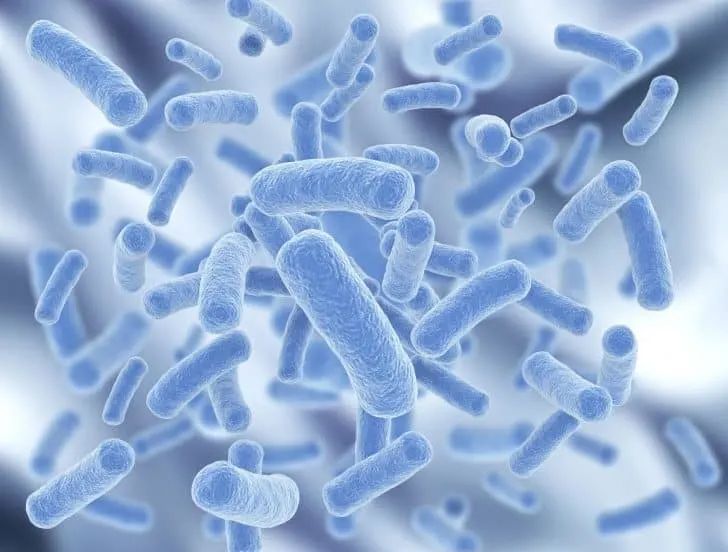
What they are. Probiotics are live microorganisms — bacteria and yeasts — that, when consumed in adequate amounts, confer a genuine health benefit. Your body is home to trillions of microbes, collectively known as the gut microbiome, and they’re vital for everyday digestion and immunity.
How they work. When stress, poor diet, aging, or antibiotics wipe out your native good bacteria, probiotics step in to replenish the ranks. They crowd out harmful pathogens, support the gut barrier, and help modulate immune response. Common strains include Lactobacillus, Bifidobacterium, and Saccharomyces boulardii, and you’ll find them naturally in yogurt, kefir, sauerkraut, kimchi, tempeh, and kombucha, alongside targeted supplements ranging from broad-spectrum blends to formulas built for men, women, and kids.
04 — Fuel SourcePrebiotics: The Fuel for Your Good Bugs
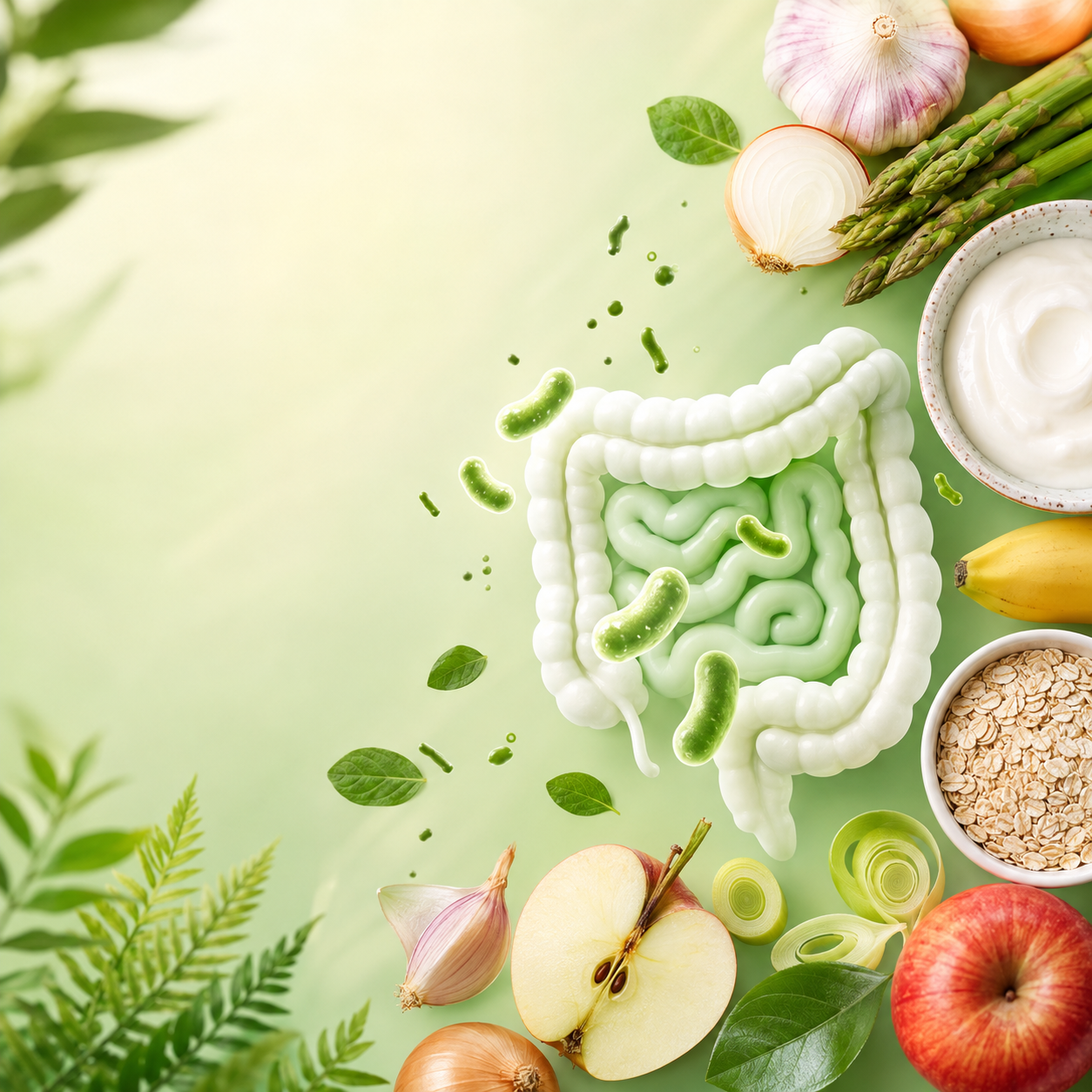
What they are. Prebiotics are non-digestible plant fibers and carbohydrates that pass through the upper gastrointestinal tract un-metabolized until they reach your colon.
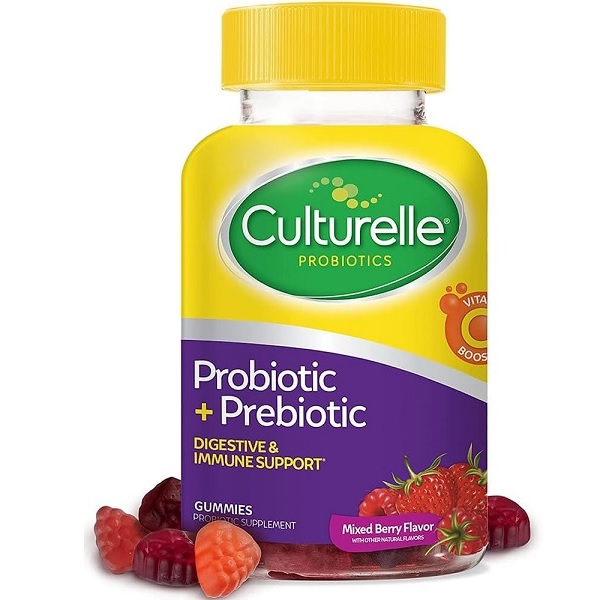
How they work. Once they reach the large intestine, prebiotics act as selective nourishment — your cells can’t digest them, but your resident and supplemented good bacteria thrive on them, helping the beneficial microbes outcompete harmful invaders. Common types include inulin, fructooligosaccharides (FOS), galactooligosaccharides (GOS), and compounds like Wellmune®. For anyone building out a prebiotic and probiotic foods in India style diet, everyday kitchen staples like garlic, onions, leeks, asparagus, bananas, oats, curd, buttermilk, and apples all count. They’re often paired with probiotics in “synbiotic” formulas, including kid-friendly gummies built around Wellmune prebiotics.
05 — ByproductsWhat Are Postbiotics? The Beneficial Byproducts Explained
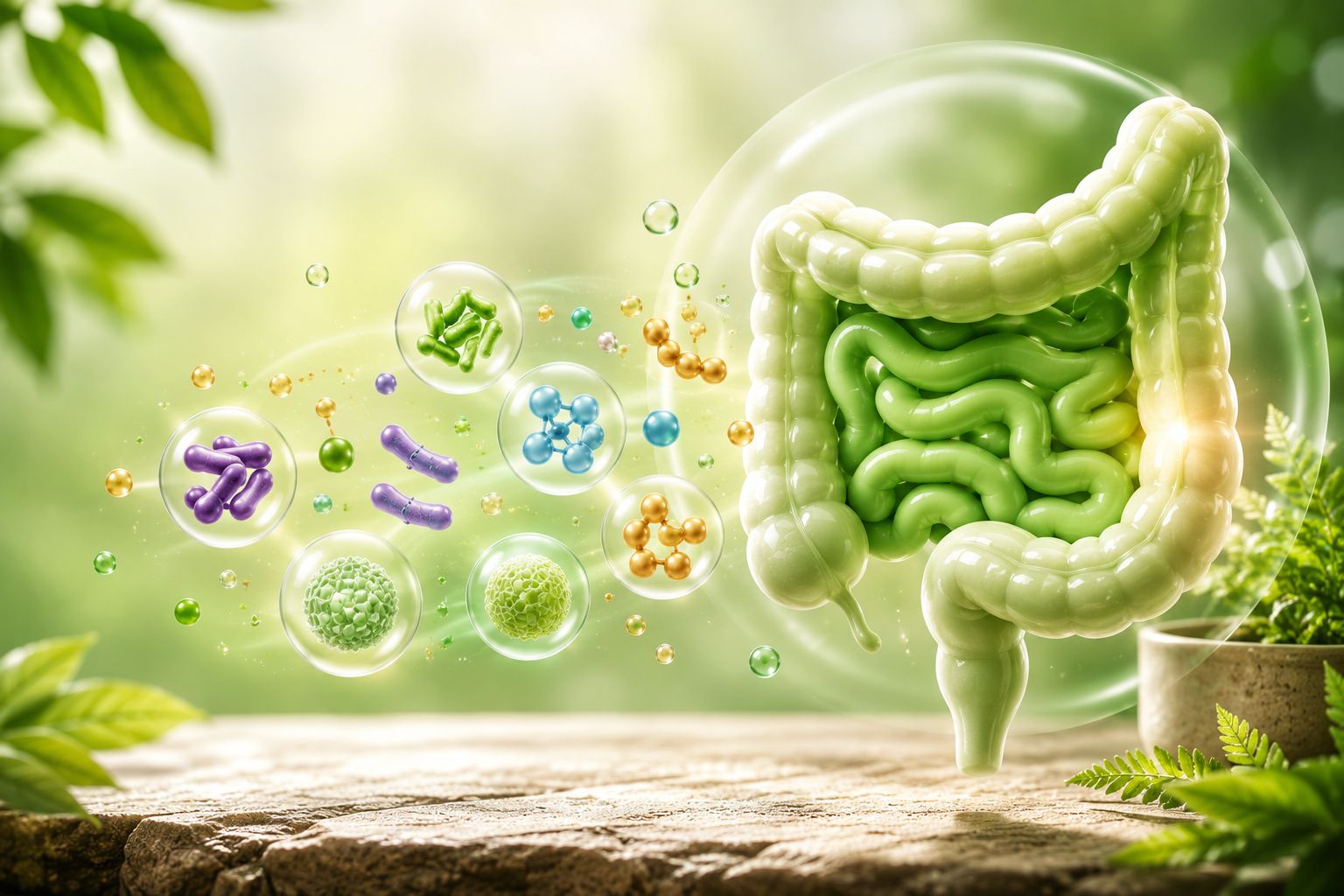
The International Scientific Association for Probiotics and Prebiotics (ISAPP) defines a postbiotic, in essence, as an inactivated microorganism or its components, prepared specifically because it delivers a measurable health benefit to the person consuming it. In plainer terms, postbiotics are the helpful byproducts left behind once probiotics finish feeding on prebiotics. Even without live bacteria, they carry a real punch: short-chain fatty acids like butyrate, enzymes, peptides, and cell-wall fragments. Because they’re already non-living, they’re exceptionally stable — heat and stomach acid don’t destroy them — and they interact directly with immune cells and the gut lining to ease inflammation and reinforce the intestinal barrier.
06 — Quick ReferencePrebiotics vs Probiotics vs Postbiotics: The Comparison Matrix
| Feature | Probiotics | Prebiotics | Postbiotics |
|---|---|---|---|
| Nature | Live microorganisms (bacteria/yeast) | Non-digestible fibers/carbs | Inanimate microbial components |
| Primary Role | Populate gut with beneficial strains | Feed and fuel good bacteria | Deliver direct wellness support |
| Stability | Sensitive to heat and stomach acid | Highly stable | Extremely stable |
| Food Sources | Yogurt, kimchi, kefir | Garlic, onions, bananas, oats | Fermented foods, vinegar, sourdough |
07 — SolutionsTailored Health Solutions: Finding What You Need
Because the microbiome influences everything from digestion to immunity and intimate health, manufacturers combine these elements into formulas built for different life stages. Knowing which active ingredients to look for makes choosing among the best gut health supplements in India far easier.
For Women’s Health & Intimate Care
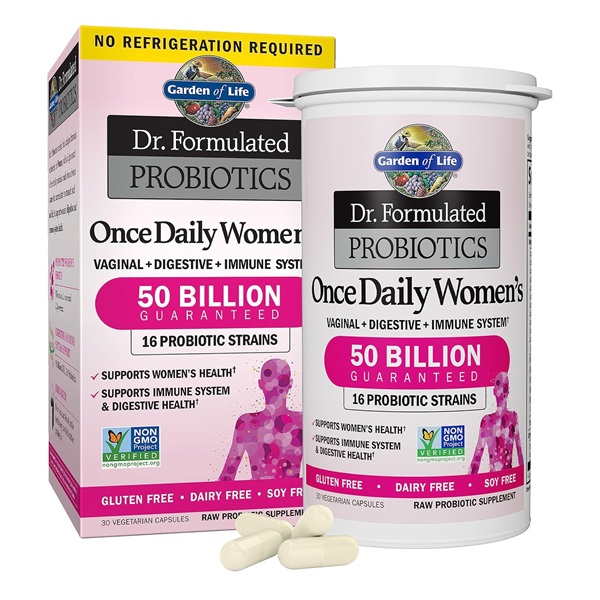
The vaginal and urinary tracts have delicate microclimates heavily influenced by bacterial balance. Understanding the benefits of probiotics for women starts with dual-action supplements that pair clinically studied strains with prebiotic fibers to support pH balance.
Look for: Broad-spectrum Lactobacillus rhamnosus GR-1 and Lactobacillus reuteri RC-14, paired with inulin or FOS. High-potency, shelf-stable multi-strain matrices are built specifically for intimate and digestive support.
For Kids’ Immunity and Growth
Children’s developing digestive and immune systems benefit from gentle daily support, especially during school seasons or after antibiotic courses.
Look for: Kid-friendly CFU counts paired with clinically studied immune compounds like Wellmune® (baker’s yeast beta-glucan), gentle prebiotic fibers, and co-factors such as Vitamin C and D.
For General Daily Digestive & Whole-Body Wellness
If your goal is regular digestion, less occasional bloating, or a healthier gut-brain axis, foundational multi-ingredient formulas are widely accessible.
Look for: Robust strains like Lactobacillus rhamnosus GG or diverse multi-strain blends, combined with organic prebiotics such as acacia fiber or chicory root, plus co-factors for prenatal, men’s, women’s, or even pet-specific digestive support.
08 — ConclusionThree Roles, One Goal: A Balanced Gut
Probiotics, prebiotics, and postbiotics aren’t competing products — they’re three stages of the same system, each doing a job the others can’t. Once the prebiotics vs probiotics difference clicks, the rest of the aisle stops feeling confusing. The right first step is usually the simplest: match the formula to your life stage — whether that’s daily digestion, women’s intimate health, or a kids’ immunity routine — and layer in real food sources alongside any supplement.
Shop This Article
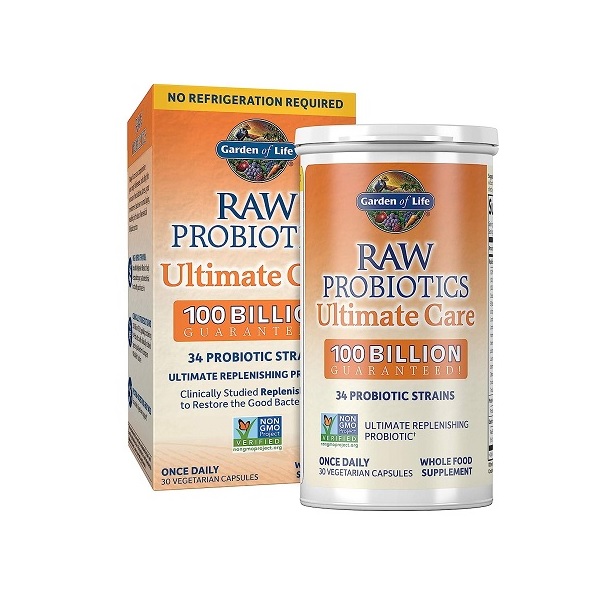
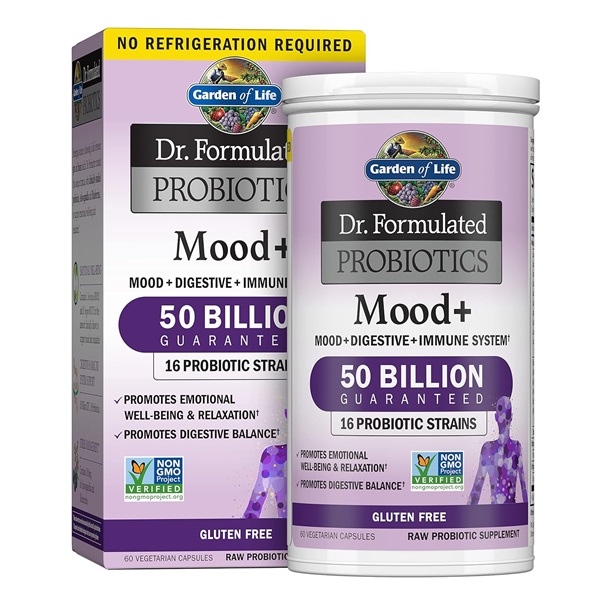

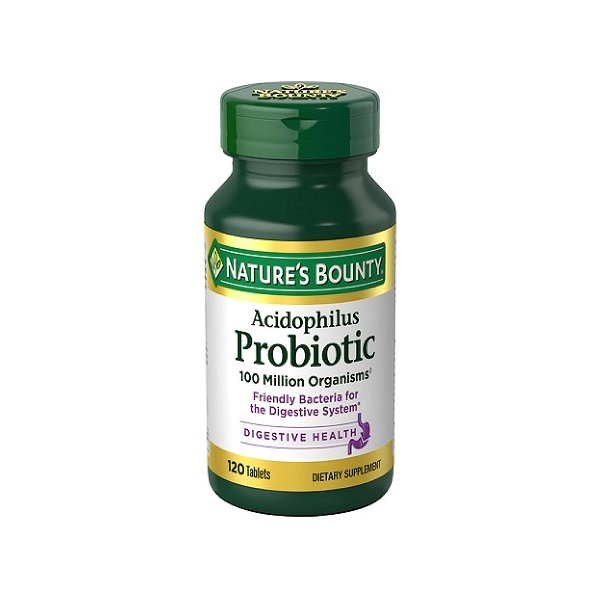
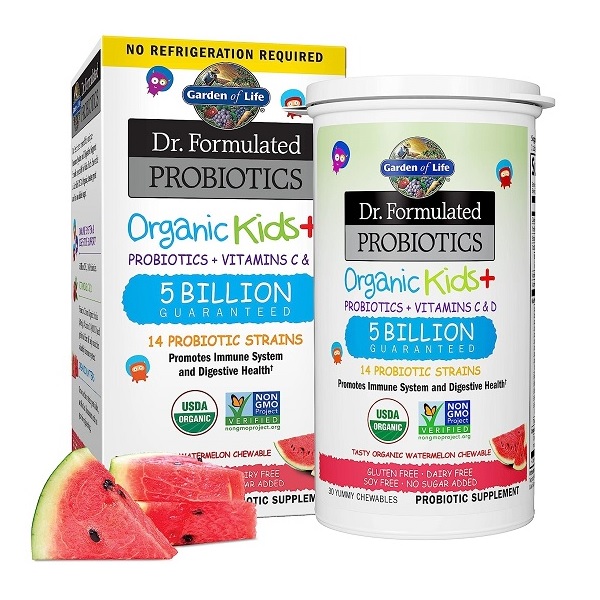
09 — FAQsFrequently Asked Questions
Should I take prebiotics and probiotics together?
Yes — many people take them together as a “synbiotic” combination, since prebiotics directly feed the probiotic strains you’re introducing, which can make the probiotics more effective at colonizing the gut.
What is the easiest way to explain the difference between prebiotic and probiotic, with an example?
A probiotic is a live organism, like the Lactobacillus in yogurt. A prebiotic is food for that organism, like the fiber in a banana or in onions — it isn’t alive itself, it just feeds what’s already there.
Can probiotics help with weight loss?
Evidence directly linking probiotics to weight loss is limited, but a healthier gut microbiome may create better conditions for it as part of a broader diet and lifestyle approach — it isn’t a standalone solution.
What’s a good prebiotic and probiotic foods list to start with in an Indian diet?
Curd, buttermilk (chaas), idli and dosa batter, and pickled vegetables are common probiotic-rich staples, while garlic, onions, bananas, oats, and legumes are everyday prebiotic sources already common in most kitchens.
What should I look for in the best prebiotics, probiotics and postbiotics supplements?
Prioritize a labeled CFU count for the probiotic strains, a named prebiotic fiber (not just “fiber blend”), and third-party testing where available. For postbiotic components, check that the label states the specific inactivated strain or compound rather than a vague “postbiotic blend.”
What is a prebiotic + probiotic + postbiotic 3-in-1 formula?
A 3-in-1 formula bundles all three stages into one capsule or gummy: live strains to populate the gut, fiber to feed them, and stabilized byproducts that keep working even if some of the live culture doesn’t survive digestion. It’s a convenience format rather than a different mechanism.
What’s the best prebiotic and probiotic combination?
There’s no single “best” pairing for everyone — it depends on the goal. For general digestion, a multi-strain Lactobacillus/Bifidobacterium blend with inulin or FOS is a solid, well-studied starting point; women’s or kids’ formulas swap in strains and fibers suited to those specific needs.
Prebiotics vs probiotics vs postbiotics vs synbiotics — what’s the difference?
Probiotics are the live bacteria, prebiotics are their food, and postbiotics are the leftover byproducts of that process. A synbiotic is simply a product that deliberately combines a probiotic strain with a prebiotic fiber chosen to feed that exact strain — it’s a formulation strategy, not a fourth biological category.
Postbiotics vs prebiotics — how are they different?
Prebiotics come first in the chain — they’re fiber the bacteria haven’t touched yet. Postbiotics come last — they’re what’s left after fermentation has already happened. One is raw fuel; the other is the finished output, which is why postbiotics tend to be far more heat- and acid-stable.