
Is Your Child Tired After School Every Day? It Could Be a Vitamin Deficiency — Common in India and Easy to Fix


✦ Kids Health & School Nutrition
·
June 2026
·
School bag dropped at the door. Shoes kicked off. Body flat on the couch by 4pm. You call your child for a snack and get a one-word answer. You assume it’s just the long day — but what if this child tired after school pattern isn’t normal fatigue? What if it’s a quiet nutritional gap that has been building for months?
Post-school exhaustion is one of the most commonly dismissed signs of vitamin deficiency in children in India. And right now, with schools back in full swing during monsoon season, the combination of minimal sunlight, disrupted appetites, and germ-heavy classrooms makes the nutritional pressure on your child’s body greater than most parents realise.
This article breaks down exactly which nutrients are behind that daily tiredness, why common Indian food sources fall short, and which US imported vitamins for kids in India fill those gaps reliably and safely — every single school day.
Why Is My Child Always Tired After School? Nutritional Fatigue vs Normal Tiredness
There is a meaningful difference between a child who is physically tired from an active school day and a child suffering from nutritional fatigue vs normal tiredness. Healthy tiredness fades within an hour — after a snack, some rest, and a glass of water. Nutritional fatigue doesn’t. It shows up every single morning as reluctance to get out of bed, every afternoon as that flat, glazed look, and every evening as short temper and zero interest in homework or play.
Watch for these signs of vitamin D deficiency in school kids and other nutrient gaps that go beyond ordinary tiredness:
- ✓Fatigue that doesn’t improve with rest or food — a nap doesn’t fix it; it’s back again by the next morning.
- ✓Child brain fog and poor concentration — the nutrition link is often overlooked. DHA deficiency directly affects how fast nerve signals travel.
- ✓Frequent colds and infections — catching every bug the classroom circulates is a classic sign of compromised immunity linked to Vitamin D and zinc deficiency.
- ✓Irritability and mood swings after school — B6 and B12 are directly involved in serotonin synthesis. Low B vitamins affect mood, not just energy.
- ✓Not active after school, low energy remedy doesn’t help — if your child used to play after school and now doesn’t, that’s a nutritional red flag worth addressing.
Micronutrient deficiency — also called hidden hunger in children in India — is clinically distinct from caloric deficiency. A child eating three full meals a day can still be significantly deficient in Vitamin D, Omega-3 DHA, and B12. This is the nutritional reality most Indian parents haven’t been told about.
The 3 Nutrient Gaps Behind Your Child’s Tiredness — And Why They’re Especially Common in India

1. Vitamin D Deficiency — The Sunlight Myth
Vitamin D deficiency in children in India is far more widespread than most parents expect — studies estimate over 67% of Indian school children have insufficient levels. The reason is structural: children leave home before 7am and return after 4pm. In monsoon months, cloud cover blocks 80–90% of UV-B rays even on bright-looking days. The skin simply cannot produce Vitamin D3 under those conditions, regardless of how much time your child technically spends “outside.”
Vitamin D isn’t just a bone nutrient. It governs immune response, muscle function, and energy regulation at the cellular level. A child deficient in Vitamin D tires faster, catches infections more easily, and struggles with sustained concentration — all symptoms that mirror exactly what parents describe as “just being tired after school.”
How much Vitamin D does a child need per day? School-age children need between 600 and 1,000 IU daily. A single egg yolk provides roughly 40 IU. Fortified milk is inconsistent. Sunlight in urban Indian school schedules provides effectively zero.
2. Omega-3 DHA — The Brain Nutrient Most Indian Kids Never Get
Omega-3 DHA for kids’ brain development is not an optional supplement — DHA is literally what brain cell membranes are made of. It governs how fast nerve signals travel, how well a child focuses, and how quickly they process information during a school day. DHA also plays a critical role in immunity and emotional regulation.
Here is what most Indian families don’t know: why walnuts are not enough Omega-3 for kids comes down to basic biochemistry. Walnuts and flaxseeds contain ALA — a plant-based Omega-3 that the body must convert into DHA. In children, this conversion rate is below 10%. You would need your child to eat an unrealistic daily quantity of walnuts to approach the DHA their developing brain actually needs.
Real, brain-ready DHA comes from marine sources. For vegetarian kids’ Omega-3 supplement needs in India, there is no practical dietary route without a dedicated fish-oil based supplement.
3. B Vitamin Deficiency — Hidden in Dal, Lost in the Pot
B12 deficiency symptoms in children include fatigue, poor concentration, mood changes, and low energy — a pattern almost indistinguishable from what parents attribute to “a tiring school day.” B6 and B12 are the engine of cellular energy metabolism: without adequate B vitamins, cells cannot convert food into usable energy, leaving your child running on empty even after a full meal.
The problem isn’t that Indian food lacks B vitamins — dal, banana, and leafy greens all contribute. The problem is eggs and spinach are not enough vitamins for growing kids for two structural reasons: B12 is nearly absent from plant-based diets (dairy provides small, inconsistently absorbed amounts), and pressure cooking — the method that makes dal fast and easy — destroys a meaningful portion of B6 in every serving.
“Subclinical deficiencies in Vitamin D and Omega-3 DHA are among the most underdiagnosed contributors to fatigue, poor concentration, and weakened immunity in school-age children — particularly in urban India where outdoor exposure is limited and fish consumption is low.”
— Paediatric Nutrition Research, 2023
Daily Vitamin Intake for School-Age Children vs What They Actually Get
Understanding the gap between what a growing, school-going child needs and what they realistically consume helps explain why the tiredness doesn’t resolve even when you cook carefully. This table captures the daily vitamin intake for school-age children recommended by paediatric nutrition bodies — and the realistic shortfall from typical Indian diets.
| Nutrient | Daily Requirement (4–12 yrs) | Natural Indian Source | Why It Falls Short |
|---|---|---|---|
| Vitamin D | 600–1,000 IU/day | Sunlight, egg yolk, fortified milk | Sunlight unavailable in school hours + monsoon. Egg yolk = ~40 IU. Milk = inconsistent absorption. |
| Omega-3 DHA | 100–250mg DHA/day | Walnuts, flaxseeds, mustard oil | Plants contain ALA, not DHA. <10% ALA converts to DHA in children. No practical plant route to adequate DHA. |
| Vitamin B12 | 1.2–1.8mcg/day | Paneer, milk, eggs, curd | Nearly absent in vegetarian diets. Dairy B12 is poorly and inconsistently absorbed. |
| Vitamin B6 | 0.6–1.0mg/day | Dal, banana, spinach | Pressure cooking destroys a significant portion of B6 in dal and vegetables at every meal. |
Give Your Child Consistent Nutrition This School Year
Authentic US-imported kids vitamins — delivered pan-India from Medorna.
The Best Multivitamin Gummies for Kids in India — 3 Products That Fill What Food Can’t
Now that the gap is clear, here are three specifically chosen US imported vitamins for kids in India — each targeting one or more of the deficiencies above in a form children genuinely enjoy taking. No battles, no capsules, no fishy aftertaste.
For Vitamin D, B12, B6 & Broad Daily Coverage

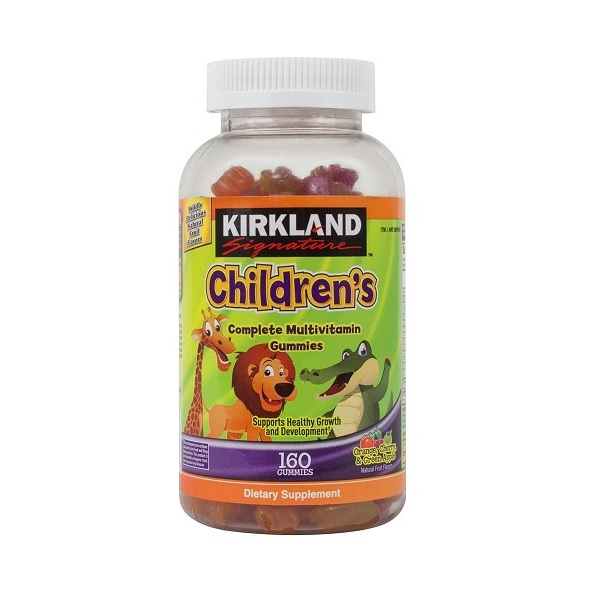
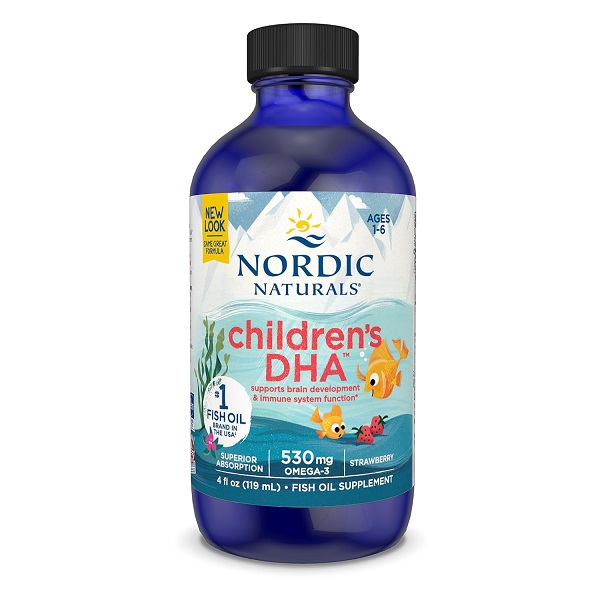
Both multivitamins above address Vitamin D, B6, and B12 effectively. But neither — nor any standard children’s multivitamin — can meaningfully address the Omega-3 DHA gap. For that, a dedicated fish oil supplement is the only reliable answer. This is where Nordic Naturals comes in.
For Brain Function, Focus & DHA — The Nutrient No Multivitamin Can Cover
Why These Three Together — A Complete Nutritional System
Here’s exactly which product addresses which gap — and why does my child need vitamin supplements even with a home-cooked diet:
| Nutrient Gap | Why Food Falls Short | Which Product Fixes It |
|---|---|---|
| Vitamin D | Monsoon clouds + school hours = zero UV-B exposure. Sunlight in India not enough for urban children. | Lil’ Critters or Kirkland Gummies — both deliver Vitamin D3 daily |
| Vitamin B12 | Nearly absent from vegetarian diets. Dairy absorption is inconsistent. | Lil’ Critters or Kirkland Gummies — B12 in every serving |
| Vitamin B6 | Pressure cooking destroys a meaningful portion of B6 in dal at every meal. | Lil’ Critters or Kirkland Gummies — reliable B6 daily |
| Omega-3 DHA | No DHA in plants. ALA in walnuts converts at <10%. No dietary route without fatty fish. | Nordic Naturals Children’s DHA — the only product that addresses this directly |
Morning Vitamin Routine for Kids’ School Day — Takes Under 45 Seconds
The simplest morning vitamin routine for a kids’ school day that actually sticks:
🌅 Every Morning — With Breakfast
2 Lil’ Critters or Kirkland Gummies
Taken with breakfast. Fat-soluble vitamins (A, D, E) absorb best with food. Kids treat it like a fruit chew — no resistance.
1 Nordic Naturals Children’s DHA soft gel or ½ tsp liquid
Taken with breakfast or mixed into juice. The strawberry flavour means zero aftertaste — no child has ever refused it on flavour grounds.
Done. Every day.
Consistent daily use shows results in energy, immunity, and focus within 3–6 weeks. This is the only habit that addresses all three nutritional gaps simultaneously.
Why Buy US Imported Vitamins for Kids from Medorna India?
There’s a meaningful difference between purchasing a supplement and purchasing the right supplement. Medorna exists specifically to give Indian parents access to the authentic, clinically proven formulations that the rest of the world relies on — without compromise, grey-market risk, or international shipping hassle.
⭐
100% Authentic Products
Sourced from verified US distributors. No counterfeits, no reformulations, no substitutions.
🌐
Genuine Imported Formulas
The exact formulation sold in Walmart and Costco across the US — not an India-specific diluted variant.
📦
Fresh Stock, Always
Expiry verified on every dispatch. Proper storage, regular rotation.
🚚
Pan-India Delivery
Shipping to 19,000+ pin codes with WhatsApp tracking on every order.
Frequently Asked Questions
Common questions about child tired after school vitamin deficiency India — answered clearly.
Your Child’s Tiredness After School Has a Solution
When a child is tired after school every day, the answer isn’t more sleep, fewer activities, or less homework. In most Indian households, it’s three specific nutrient gaps — Vitamin D, Omega-3 DHA, and B vitamins — that food alone cannot reliably fill during the school months.
Two gummies and one soft gel, taken every morning before school, cover all three gaps in a form your child’s body can actually use. Choose Lil’ Critters or Kirkland for the multivitamin foundation — and pair it with Nordic Naturals Children’s DHA for complete nutritional support. All three are in stock now and ship pan-India from Medorna.
Explore More at Medorna.in
Authentic imported health, nutrition & wellness — curated for India